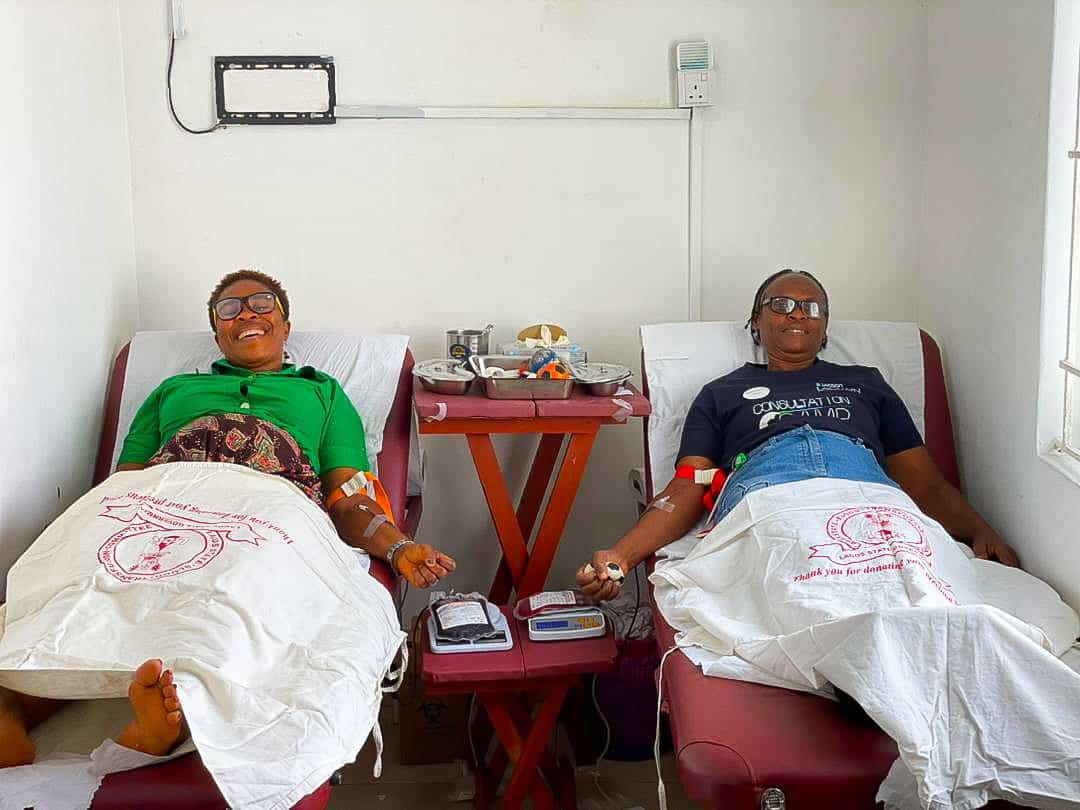

7 Breast Changes You Should Never Ignore: Early Warning Signs of Breast Cancer
Learn these 7 breast changes that may be warning signs of breast cancer, when to see a doctor, and how early screening at Iwosan Lagoon Hospitals can help protect your health. Breast cancer is one of the most common cancers affecting women but finding it early can significantly improve treatment options and outcomes. While most breast changes are not caused by cancer, some changes should never be ignored because they may need a professional breast examination and further testing. At Iwosan Lagoon Hospitals, our breast care team encourages every woman to know what is normal for her breasts and to report any new or persistent change promptly. This guide explains 7 breast changes that may be related to breast cancer, what they can look like, and when to book an appointment. Why early detection matters Breast cancer can develop without pain, which is why waiting for discomfort is not a safe way to monitor breast health. Common warning signs include a lump in the breast or under the arm, changes in breast size or shape, nipple changes or discharge, and skin changes such as redness, dimpling, scaling, or swelling. Not every breast change means cancer. Hormonal changes, infections, cysts, benign growths, and normal differences between breasts can all cause symptoms. However, only a qualified healthcare professional can determine whether a change is harmless or requires imaging and further evaluation. Early detection may involve a clinical breast examination, mammogram, breast ultrasound, or biopsy, depending on your symptoms, age, and risk factors. Women at higher risk may need screening earlier or more often than the general population. 1. A new lump or thickening in the breast A new lump is one of the most recognized warning signs of breast cancer. It may feel like a hard mass, a small pea-like bump, or a thickened area that feels different from the surrounding breast tissue. A lump may appear in the breast itself or near the underarm. A painless, hard, fixed lump with irregular edges is more likely to be cancerous, but breast cancer can also feel soft, round, tender, or painful. This is why you should not dismiss a lump simply because it does not hurt. Many breast lumps are non-cancerous. Fluid-filled cysts, fibroadenomas, and hormone-related changes are common causes. Still, any new lump or thickening that remains after your menstrual cycle, increases in size, or feels unusual should be examined by a doctor. When to seek care: Book an appointment if you notice a new lump, a lump that does not go away after four to six weeks, or a lump that changes in size or texture. 2. A change in breast size, shape, or contour It is normal for one breast to be slightly larger or shaped differently from the other. However, a sudden or unexplained change in the size, shape, or outline of one breast can be a warning sign. You may notice that one breast looks swollen, heavier, lower, flatter, or more distorted than before. In some cases, there may be swelling without a noticeable lump. These changes can occur when abnormal cells affect the tissue or lymphatic drainage in the breast. Inflammatory breast cancer, although less common, can cause a rapid change in the appearance of one breast over several weeks, often with swelling, heaviness, warmth, or skin color changes. When to seek care: See a healthcare provider if one breast changes noticeably without an obvious reason, especially if the change persists or develops quickly. 3. Skin dimpling, puckering, or an orange-peel appearance Dimpling is a small indentation or pull in the skin of the breast. Puckering can make the skin look uneven, wrinkled, or pulled inward. In some cases, the skin may develop ridges or an appearance similar to the peel of an orange. This can happen when changes beneath the skin pull on the supporting structures of the breast. Dimpling or orange-peel skin may also be associated with inflammatory breast cancer, particularly when it occurs with swelling, warmth, or a rapid change in breast appearance. Skin dimpling can sometimes be subtle. Check your breasts in a mirror with your arms at your sides, then raise your arms and place your hands on your hips to see whether the skin changes become more visible. When to seek care: Any new dimpling, puckering, ridging, or orange-peel skin texture should be assessed promptly, especially if it affects only one breast. 4. Nipple changes, including inversion or flattening A nipple that becomes flattened, turns inward, or points in a new direction can be a warning sign, particularly when the change is new and affects one breast. This is known as nipple retraction or inversion. Some women naturally have inverted nipples, so the important question is whether the nipple has changed from its usual appearance. A nipple that once pointed outward but now pulls inward may need evaluation. Other nipple changes include scaling, crusting, flaking, itching, tingling, redness, or thickening of the nipple or areola. These symptoms can sometimes be linked to non-cancerous skin conditions, but they can also be associated with certain types of breast cancer. When to seek care: Make an appointment if you develop a new nipple inversion, flattening, scaling, crusting, or a persistent rash around the nipple. 5. Unusual nipple discharge Nipple discharge is common and is often harmless, especially if it is milky and occurs during pregnancy, breastfeeding, or after nipple stimulation. However, discharge that is not breast milk and appears without squeezing should be assessed. Discharge is more concerning when it is bloody, clear, yellow, or occurs repeatedly from one breast or one duct. While benign conditions can also cause nipple discharge, it should not be assumed to be harmless without medical evaluation. Avoid repeatedly squeezing the nipple to check for discharge. If you notice fluid on your clothing, bra, or bedsheets, gently clean the area and note the color, amount, and whether it comes from one or both breasts. When to seek care: Contact your doctor if you have spontaneous nipple discharge, especially